What is Asana?
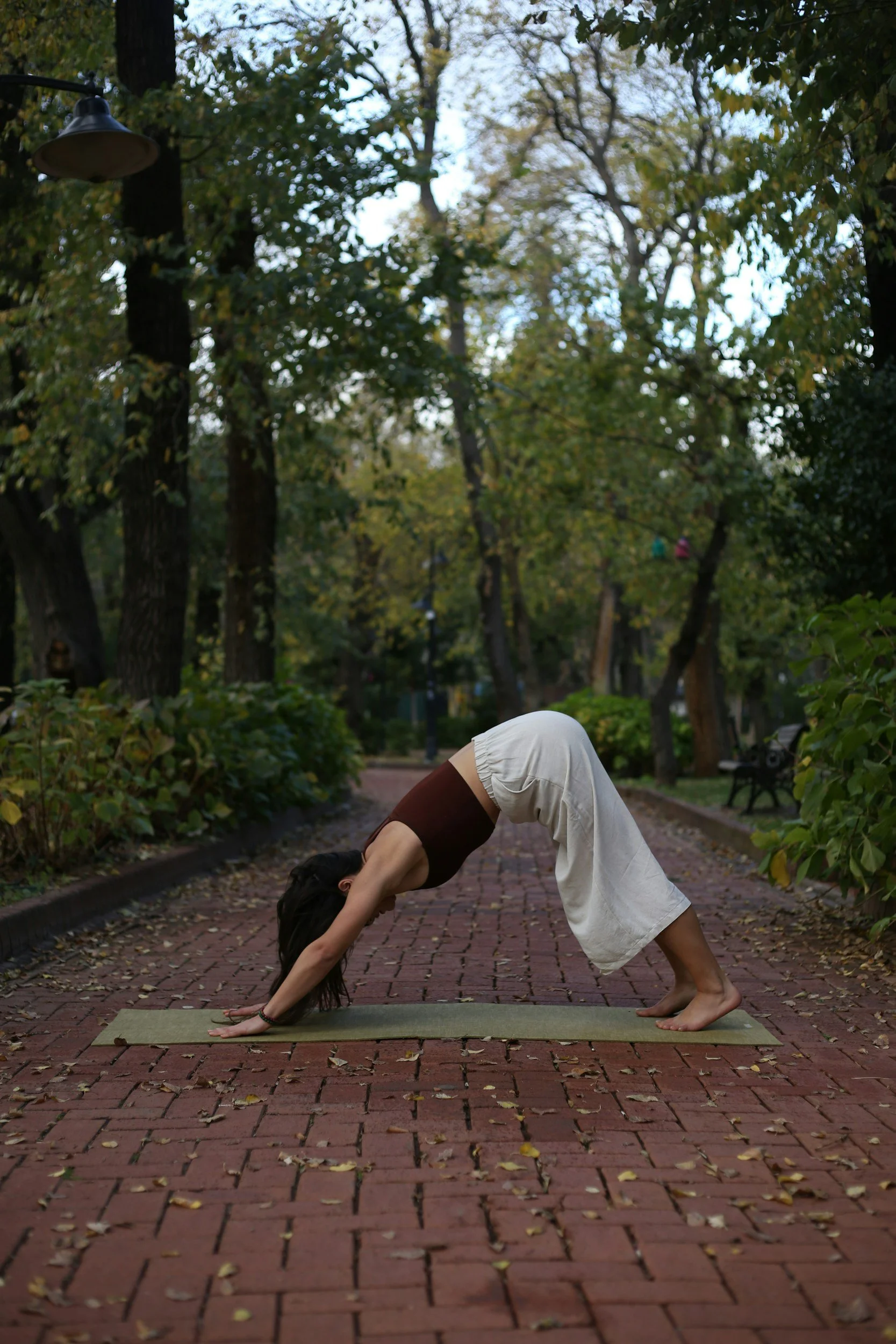
When most people think of yoga today, they tend to think only of the physical shapes taken in a class. But this modern, pose-based practice is roughly 120 years old while traditional yoga is at least 5000! At its origins, yoga is systematic process of enlightenment, and the Yoga Sutras by Sri Patanjali is our guidebook for this process. So, it may be interesting to modern yoginis that yoga asana is barely mentioned in this ancient guiding text.
Let’s discuss the only three verses that mention asana and its effect, beginning with the one most people know first, verse 2:46. Sthira Sukham Asanam which translates roughly as “the posture for yoga should be steady and comfortable.” Asana here refers to a meditative seat.
Verse 2:47, says, “by loosening of effort, and by meditation on the serpent, asana is mastered.” Here, Patanjali is directing the aspirant to relax effort and pay attention to the Kundalini energy that rises up the spine during the process of enlightenment.
Finally, verse 2:48 “thereby the pairs of opposites cease to have any impact.” This refers to the duality that we experience while being human. Hot/cold, pleasure/pain, happy/sad are a few examples of the opposites that pull us around and cause the mind to be pulled lose equilibrium. This verse is talking about the impact to the mind when we are practicing the first two sutras.
There may still be benefits from blending the ancient wisdom with the modern postures. Certainly when we can foster a sense of steadiness and comfort in any of the poses. In fact, when we do so, and bring in breath awareness, we are practicing a type of moving meditation.
The other benefit of practicing modern asana is that it prepares the body for an easier time sitting in meditation. When we strengthen and stretch the body, the muscles lengthen and become supple. When our physical body is comfortable, we tend not to focus on the pairs of opposites which may be affecting it at any given time.
So, although the traditional limb of asana has morphed beyond Patanjali’s original intention, we can still expertly combine the ideas into our own personal practice. I hope this understanding gives you freedom along your path.